Construction Portable Toilet Rentals
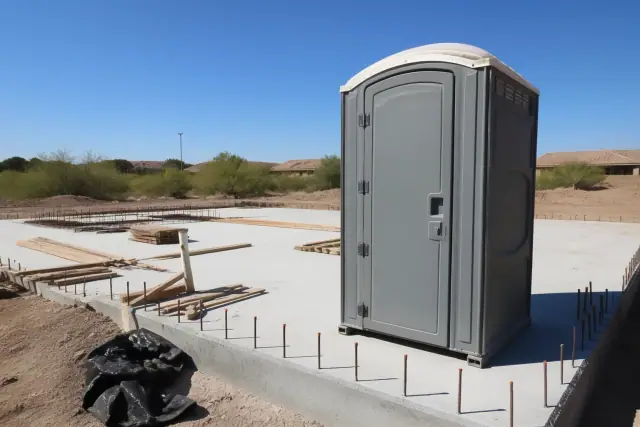
Standard job-site units include a non-slip floor, interior door lock, and hand sanitizer dispenser. Service timing is matched to crew size and Surprise temperature demands.
Explore Service
Phoenix Portable Bathrooms provides construction portable toilet rentals throughout Surprise, Arizona, for general contractors, event planners, and property managers. Our fleet also covers special event portable toilets, luxury restroom trailers, ADA units, handwashing stations, shower trailers, sink-equipped units, high-rise rentals, long-term rentals, and portable waste holding tanks. We serve projects from Original Town Surprise to Surprise Farms, Sun City Grand, and the Cactus Road and Waddell Road growth corridor. One account can coordinate the temporary restroom facilities your site or event requires.
Surprise grew from 30,848 residents in 2000 to 143,148 at the 2020 census, and construction activity continues across subdivisions, commercial pads, and infrastructure projects. In the Sonoran Desert, summer surface temperatures regularly exceed 110 degrees Fahrenheit, making clean, correctly serviced facilities especially important for crews working ten-hour shifts. We match unit counts and service intervals to headcount, project length, site access, and local heat. Call us to build a practical restroom configuration and delivery plan around your site.
Our routes cover Surprise Stadium and surrounding Maricopa County communities including El Mirage, Youngtown, Sun City West, Peoria, Glendale, and Litchfield Park. Seasonal event demand and long construction timelines are planned into delivery and servicing schedules.
Choose a standard job-site unit, an upgraded flushing model, an accessible option, or a trailer configuration based on crew size, site conditions, and rental length. We coordinate delivery and servicing across Surprise and nearby Maricopa County communities; project teams working farther west can also review our Buckeye, AZ service details.
Standard job-site units include a non-slip floor, interior door lock, and hand sanitizer dispenser. Service timing is matched to crew size and Surprise temperature demands.
Explore Service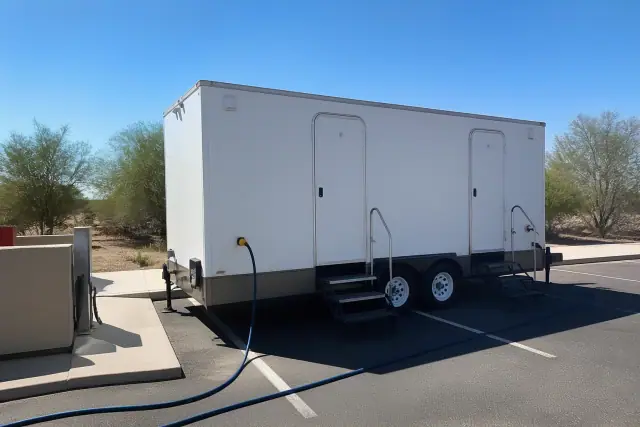
Festivals, concerts, block parties, and other short-duration events get delivery, setup, and pickup aligned with the event window. Unit counts are based on attendance and duration to help reduce lines and service gaps.
Explore Service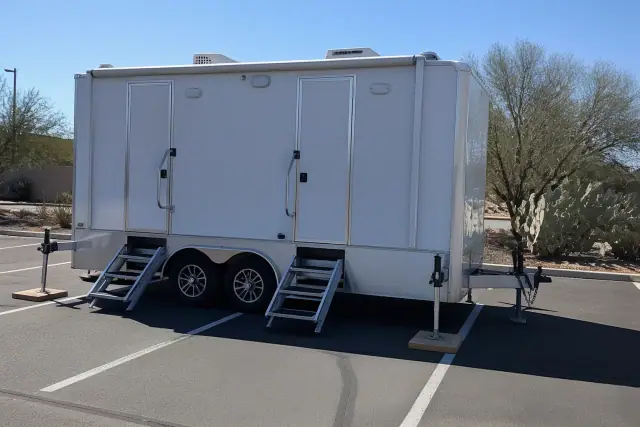
Climate-controlled interiors, flushing toilets, running water, and finished surfaces give weddings, corporate events, and high-end construction sites an upgraded restroom experience without permanent plumbing.
Explore Service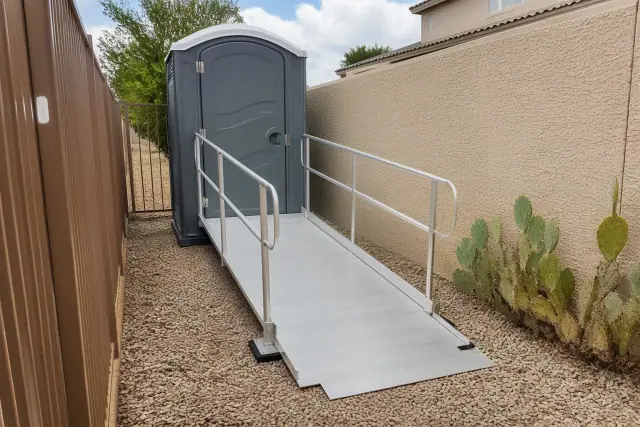
Accessible units provide the wider footprint and door clearance needed for job sites and public events, along with grab bars and a turning radius sized for wheelchair access.
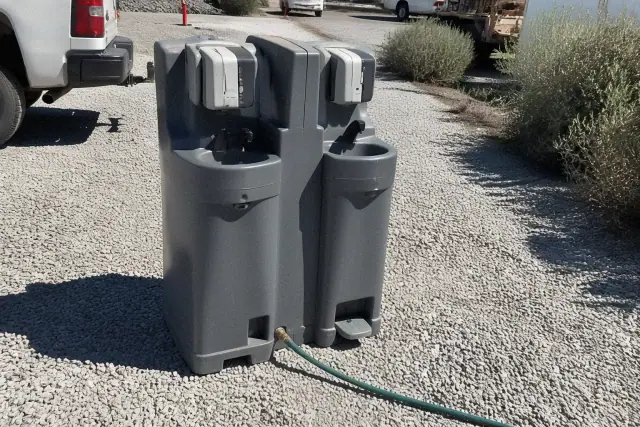
Handwashing stations can accompany a restroom order or stand alone at food-service and industrial sites. Units include fresh-water tanks, soap dispensers, and foot-pump or hands-free operation.
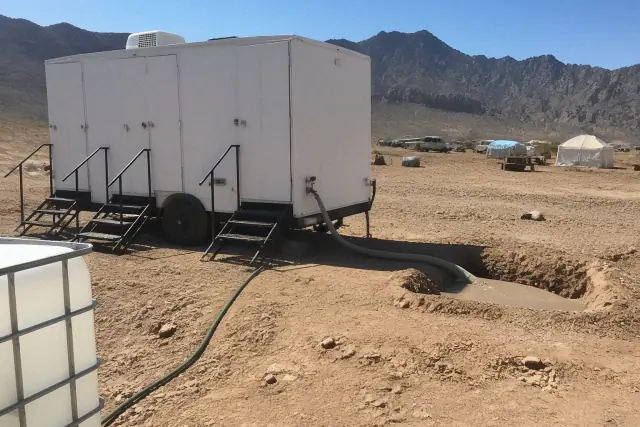
Portable shower trailers support disaster recovery crews, remote work camps, and multi-day outdoor events with multiple private stalls, hot water, and pressurized delivery.
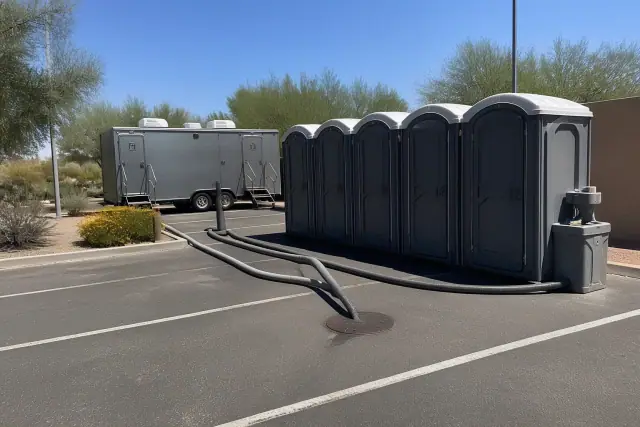
Combination units pair a portable toilet with an integrated sink to address food-handling and health-code expectations without the footprint of a full trailer. They fit mid-size job sites and event vendor rows.
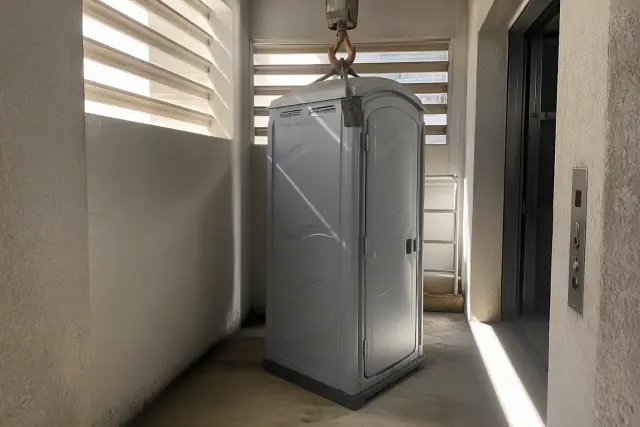
High-rise units mount to scaffolding or elevated decks on multi-story builds, reducing worker travel to ground-level facilities during vertical construction.
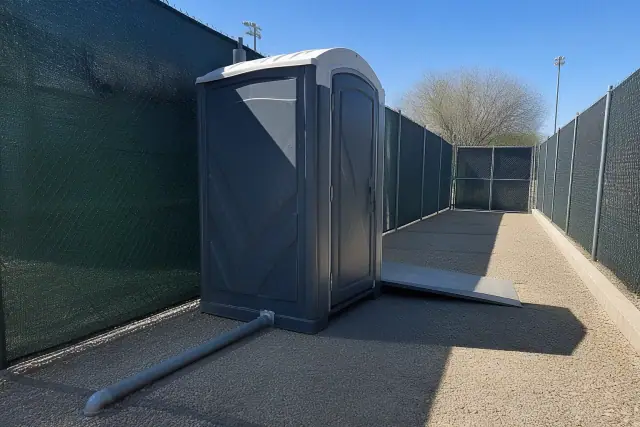
Multi-month construction and industrial accounts receive a fixed servicing schedule and predictable monthly billing. Volume-based pricing and locked schedules suit phased residential builds that run 6 to 18 months.
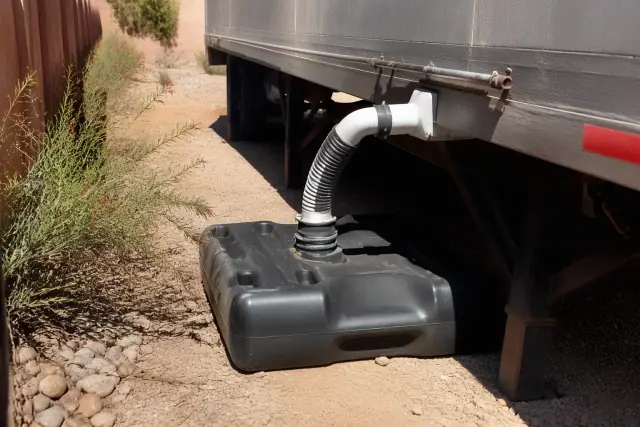
Portable holding tanks provide overflow capacity for sites without restroom access or larger crews. Greywater and blackwater volume is tracked against tank capacity to help prevent overflow between scheduled pumps.
Start with who will use the facilities, how long they will be onsite, and what utilities or access the location provides. Those details determine the right unit type, count, placement, and service frequency for a Surprise construction project or event.
A standard construction unit handles basic job-site needs, while deluxe flushing models add a foot-pump flush, interior sink, and larger holding tank. Luxury trailers are better suited to events or client-facing sites that need running water and climate-controlled interiors.
Construction counts should reflect crew headcount, while festivals and concerts need higher unit-per-attendee ratios. Expected attendance, shift length, and event duration help prevent lines and service gaps.
Include ADA units when the site or event needs wheelchair access, then add handwashing stations, integrated sinks, or hands-free flushing where hygiene expectations are higher.
Restroom and shower trailers may need onsite water, power, or a generator, while fresh-water portable units carry an onboard supply for flushing and handwashing. Confirming utilities early keeps the selected configuration practical.
A portable toilet on unshaded ground in 115-degree heat needs a different service interval from one under a covered structure. Crew size, tank use, and Surprise summer conditions should all shape the pump-out and sanitizing schedule.
Review delivery distance, unit count, rental length, and service frequency together. A straightforward quote should identify delivery, setup, scheduled service, and pickup, while damaged units, vandalism, or off-cycle pump-outs are handled through ongoing account service.
Construction and live-event demand helped the national portable toilet rental industry generate roughly $3.3 billion in revenue in 2025. On busy Surprise sites, inadequate unit counts, heat, poor placement, and missed service can quickly create hygiene, morale, and inspection problems.
Request EstimateFacility counts must rise with crew headcount under OSHA's construction sanitation standard. Too few units can create lines, frustrate workers, and leave a job site short of its required restroom capacity.
Long service gaps in Surprise heat allow waste and odor to build quickly, especially on unshaded sites. Heat-aware placement and servicing protect usability through an Arizona summer.
Multi-month projects typically need weekly pump-outs, restocking, and sanitizing, adjusted for crew size and temperature. A schedule that ignores actual use can leave supplies short or tanks too full.
Units placed without stable ground or clear service-truck access can complicate drop-off and pump-outs. We confirm the placement location, ground surface, and access points before delivery.
Festivals and concerts need restroom counts based on expected attendance and event duration rather than construction ratios. Under-planning can create long lines and leave high-use units without enough service.
Greywater and blackwater tanks must be monitored against capacity between service visits. Larger crews or sites without restroom access may need added holding capacity to avoid overflow between scheduled pumps.
Daily routes through Surprise provide practical knowledge of delivery traffic on Grand Avenue and Bell Road. We also plan inventory around spring training demand near Surprise Stadium and the busy fall-through-spring construction season.
Routing experience across Original Town, Surprise Farms, Waddell Road, and the Bell Road corridor helps us plan tighter delivery windows around peak construction traffic.
We account for shade, local temperatures, crew size, and rental length when setting service intervals, because a July placement near Surprise Farms can need a different cycle from a covered site near Original Town.
One account can coordinate unit selection, delivery, setup, scheduled service, and pickup. Ongoing support also covers off-cycle pump-outs and issues such as damage or vandalism.
A clear sequence keeps unit selection, placement, delivery, service, and pickup aligned with the project schedule. We use site access, headcount, duration, and utility details to build the rental plan.
Tell us the Surprise location, project or event type, expected headcount, rental length, and whether water or power is available onsite.
We match standard, deluxe, ADA, sink-equipped, high-rise, trailer, or holding-tank options to the site and help calculate an appropriate unit count.
Before drop-off, we confirm the ground surface, exact placement location, and service-truck access so the units can be delivered and maintained efficiently.
Most standard orders placed before early afternoon can receive same-day delivery within the Surprise service area. The delivery plan identifies the selected units and placement points.
Scheduled visits include pump-outs, supply restocking, and sanitizing. Service frequency is matched to crew size, local temperature, tank use, and rental duration.
Short-term events get pickup scheduled around the event window. Longer projects stay on a fixed service schedule instead of renegotiating the rental every few weeks.
Case Study 1: Residential Subdivisions: We have serviced residential construction off Waddell Road, where long build phases call for dependable unit placement and recurring maintenance.
Case Study 2: Commercial Construction: Builds along the Bell Road corridor benefit from service timing planned around traffic, site access, and active crews.
Case Study 3: Road and Infrastructure Work: Projects tied to Surprise's expansion need accessible placement, sufficient holding capacity, and service intervals suited to exposed desert conditions.
Share your site location, headcount, rental length, and preferred unit type for a straightforward quote covering delivery, setup, scheduled service, and pickup.
Use these answers to compare unit types, understand Surprise delivery and servicing, and prepare the details needed for a site-specific quote.
Call for a QuoteRestroom trailers cost more than standard portable toilets because they include plumbing, finished interiors, and often climate control. Pricing depends on trailer size, rental length, and whether the site needs a generator or water hookup. A specific quote also accounts for the event size or project duration and delivery location.
Across Arizona, standard construction units generally run $150 to $350 per month. In Surprise, a standard 28-day rental cycle typically falls between $133 and $275, depending on unit type and service frequency. Basic units sit lower, while deluxe or sink-equipped options cost more.
The main factors are unit type, quantity, worker or attendee count, delivery distance, service frequency, and rental length. Luxury trailers cost more because of their plumbing, generator needs, climate control, and finished interiors. Quotes cover the planned delivery, setup, service, and pickup scope.
Multi-unit or long-term contracts typically lower the per-unit rate through volume-based pricing. A one-week event placement is priced differently from a six-month construction contract, and phased builds lasting 6 to 18 months can use a locked service schedule. The final rate still depends on configuration, distance, and servicing frequency.
Yes. OSHA's sanitation standard, 29 CFR 1926.51(c), requires construction employers to provide toilet facilities, and portable units are the standard solution when permanent plumbing is unavailable. The rule requires one facility for 20 or fewer workers, with additional units as headcount grows.
In most cases, a standalone portable toilet on a private construction site or at a backyard event does not require a separate City of Surprise permit. Larger commercial projects may address sanitation placement within the site plan reviewed by the City of Surprise Building Safety Department. Events on public property or a right-of-way may have permit requirements that reference restroom counts.
A standard unit includes a non-slip floor, an interior door lock, and a hand sanitizer dispenser. Its service schedule is matched to crew size and local temperature demands. It is the basic job-site option for projects without permanent restroom access.
A deluxe portable toilet adds a foot-pump flush system, interior sink, and larger holding tank while keeping a single-unit footprint. A restroom trailer provides running water, finished interiors, flushing toilets, and often climate control. Trailers may also require water, power, or a generator.
Multi-month builds typically receive weekly pump-outs, restocking, and sanitizing. The schedule may be adjusted for crew size, tank use, and Surprise temperatures. High use or hot, unshaded placement can require a different cycle.
Most standard orders placed before early afternoon can receive same-day delivery within the Surprise service area. Before drop-off, we confirm the placement location, ground surface, and access points so the unit can be positioned where the crew needs it.
ADA units provide a wider footprint and door clearance, grab bars, and a turning radius sized for wheelchair access. They are intended for accessible construction sites and public events. Unit counts and placement should account for the people who need access.
Handwashing stations work well at food-service, industrial, and event sites that need a dedicated hygiene point. Sink-equipped portable toilets combine the restroom and handwashing functions in one footprint. Hands-free and foot-pump operation can reduce touchpoints.
Yes. High-rise portable toilets can mount to scaffolding or elevated decks on multi-story builds. Keeping a unit closer to the active work area reduces worker travel to ground-level facilities.
Surprise coverage includes Original Town Surprise, Surprise Farms, Happy Trails, Sun City Grand, the Bell Road and Litchfield Road corridor, and growth areas toward Cactus Road and Waddell Road. Routes also reach El Mirage, Youngtown, Sun City West, Peoria, Glendale, and Litchfield Park.
Provide the delivery location, project or event type, expected headcount, rental length, preferred unit type, and any onsite water or power. We also confirm the ground surface, placement point, and service-truck access. Those details shape the unit count, configuration, and servicing plan.